

Imagine it’s 4:00 PM on a Tuesday in 2026, and your 80,000-word doctoral thesis is due tomorrow, but the margins on your PDF don’t match the 40mm binding edge required by UCL. You’ve spent years researching and weeks polishing every citation. The last thing you need is a technical glitch or a courier delay ruining your submission. Finding reliable student dissertation printing and binding London isn’t just about ink on paper; it’s about ensuring your hard work meets strict university regulations without the stress of last-minute errors.
We understand that the final stage of your degree is the most high-stakes moment of your academic career. You deserve the peace of mind that comes with expert file checking and professional finishing. This 2026 guide provides the roadmap you need to navigate these final hurdles, ensuring your document looks and feels like a professionally published book. We will explore specific formatting requirements for institutions like KCL and LSE, explain how to avoid common image quality pitfalls, and detail how same-day collection in Central London acts as your final safety net.
Key Takeaways
- Learn how to navigate the specific 2026 margin and formatting requirements for major institutions like UCL, King’s College London, and LSE to ensure your submission is compliant.
- Identify the differences between wire, comb, and hardback options to choose the professional binding style that best matches your university’s specific regulations.
- Master the technical file preparation process, including the transition to PDF/X and maintaining 300dpi image resolution, to prevent common printing errors.
- Discover how to secure student dissertation printing and binding London with same-day collection windows in Central London for those high-stakes, last-minute deadlines.
- Understand the benefit of expert file verification, which acts as a final quality gate to ensure your printed dissertation feels like a professionally published book.
Professional Dissertation Printing in London: Why Quality Matters for Your Submission
The transition from a digital file to a physical object represents the final quality gate of your academic journey. While digital submissions are increasingly standard at institutions like UCL, the physical copy remains the definitive record of your research. Professional binding isn’t a cosmetic luxury; it’s a structural requirement for academic success. A well-presented thesis creates a positive psychological impact on examiners before they even read the first sentence. It conveys a level of rigor and attention to detail that mirrors the years of research you’ve invested. When an examiner holds a substantial, professionally bound volume, they immediately perceive the work as an authoritative contribution to their field.
The Difference Between ‘Printed’ and ‘Published’
Standard home printing typically relies on 80gsm paper, which often feels flimsy and allows ink to saturate through the page. In contrast, professional student dissertation printing and binding London utilizes 100gsm or 120gsm stock. This creates a substantial, tactile experience that feels like a published book rather than a loose stack of papers. Technical diagrams, maps, and complex charts require high-precision ink jets to ensure color accuracy is maintained across every page. When utilizing various bookbinding techniques, the goal is to transform a draft into a permanent academic record that won’t degrade over time. High-quality paper also prevents “show-through,” where text from the reverse side of the page distracts the reader, ensuring your arguments remain the primary focus.
Avoiding the Last-Minute ‘Print Shop’ Panic
Many students fall into the trap of seeking the cheapest possible option, only to encounter long queues, depleted stock, and technical errors during peak submission periods in mid-August. Generic print shops often lack the specialized equipment needed for high-stakes documentation or the staff to handle complex file errors. At London City Print, we apply the same technical precision to your dissertation that we use for complex legal bundles and corporate reports. We act as a silent engine behind your success, providing a calm and dependable support system when deadlines are tight. Choosing a partner who understands the logistical pressures of Central London ensures your work is checked by experts who catch margin errors or bleed issues before they become permanent mistakes. This professional oversight provides the peace of mind necessary to navigate the final hours of your degree with confidence.
Comparing Binding Styles: Wire, Comb, and Hardback Options
Selecting the correct finish is a technical decision that directly impacts how an examiner interacts with your research. In a high-stakes academic environment, your choice of student dissertation printing and binding London must balance university regulations with functional durability. A binding that feels flimsy or fails to stay open during a viva can create subtle friction for the reader. Choosing a style that survives the “examiner’s bag” ensures your work remains intact from the moment of collection in Central London to the final assessment. We act as your indispensable professional partner, ensuring your binding choice aligns with your specific academic goals.
Wire Binding: The Professional Standard for Dissertations
Wire binding, often referred to as Wire-O, is the preferred choice for most undergraduate and Master’s submissions due to its exceptional lay-flat capabilities. Unlike plastic comb binding, which can feel bulky and budget-oriented, metal wire allows for 360-degree page rotation. This is a vital technical advantage for examiners who need to fold the document back on itself while taking notes or cross-referencing data. Wire binding provides a sleek, business-like appearance that suggests professional reliability. While plastic combs are prone to cracking or losing pages over time, metal wire remains structurally sound under pressure. It’s the silent engine of a functional academic document, providing the most seamless reading experience available for technical manuscripts.
Hardback and Softback: When to Choose ‘Book’ Finishes
For doctoral candidates, hardback binding is often a mandatory requirement for the final library submission. This style provides the ultimate level of protection and prestige, transforming your research into a permanent volume. The aesthetic appeal and technical precision found in professional lookbook printing London are often applied to these high-end academic finishes to ensure the spine lettering and cover texture meet the highest commercial standards. Softback binding is a frequent choice for viva copies, offering a “book-like” feel that is more portable than a full hardback. In 2026, turnaround times for these specialized finishes have become more efficient, yet they still require a methodical approach to ensure the glue sets correctly and the finishing is flawless. If you’re operating under a tight deadline, you can discuss your specific finish requirements with our team to ensure your submission is both compliant and impressive.
Navigating University Submission Guidelines (UCL, King’s, LSE)
University guidelines aren’t mere suggestions; they represent the ultimate authority over your physical submission. While digital uploads are now standard at many institutions, the printed record must adhere to rigid institutional standards to be accepted into university archives. A single margin error or an incorrectly formatted spine can lead to a rejected thesis, causing significant stress during the final hours of your degree. At London City Print, we act as a final quality gate. We help ensure your document is compliant before the ink hits the paper, protecting you from technical failures that could jeopardize your submission.
Standard Margin and Spacing Requirements
The most frequent error in academic printing is neglecting the “gutter” margin. This is the additional space required on the left-hand side of the page to account for the physical binding process. Without this clearance, text can become trapped in the spine, making it impossible to read without damaging the document. Most student dissertation printing and binding London requires a gutter of 20mm to 40mm depending on the institution. You must also ensure that headers and footers sit within a “safe zone,” typically 15mm from the page edge, to avoid being trimmed during the finishing process. Consistent page numbering and correct spine foiling orientation, usually running top to bottom, are essential for a professional finish.
University-Specific Case Studies
Different London institutions maintain distinct formatting frameworks that require precise attention. For example, UCL guidelines specify at least 40mm on the binding edge and 20mm on all other edges, using a size 12 Arial or Helvetica font. In contrast, the London School of Economics (LSE) generally mandates 3cm on all four margins with 1.5 or double spacing. King’s College London (KCL) maintains a framework requiring margins of no less than 2.54cm on each side, with 3.17cm at the top and bottom.
Choosing a specialist for student dissertation printing and binding London provides a distinct advantage over national chains. We understand these local nuances because we handle these specific documents daily for students across Central London. Whether you need a soft-bound copy for a UCL viva or a permanent hard-bound volume for the KCL archives, our expertise ensures your work meets the exact criteria of your department. This proximity allows for rapid adjustments and a methodical approach that generic online services cannot replicate under pressure.
How to Prepare Your Dissertation File for Flawless Printing
Achieving a flawless result for student dissertation printing and binding London requires more than just finishing your writing. It demands a technically sound file that bridges the gap between your screen and our high-speed production presses. The most critical step is exporting your work to a PDF/X format. This professional standard flattens layers and locks in your formatting, ensuring that what you see on your monitor is exactly what appears on the physical page. Standard PDF exports can sometimes shift text or drop characters, but PDF/X-4 provides the stability needed for high-stakes academic work.
Resolution is equally vital. We require a minimum of 300dpi for all images, charts, and maps. Lower resolutions might look acceptable on a backlit screen, but they appear pixelated and unprofessional once printed. You should also ensure all fonts are embedded within the file. If you’re using specialized symbols or non-standard typefaces, outlining them prevents the printer from substituting them with generic characters, which could compromise your technical data.
Technical PDF Export Settings
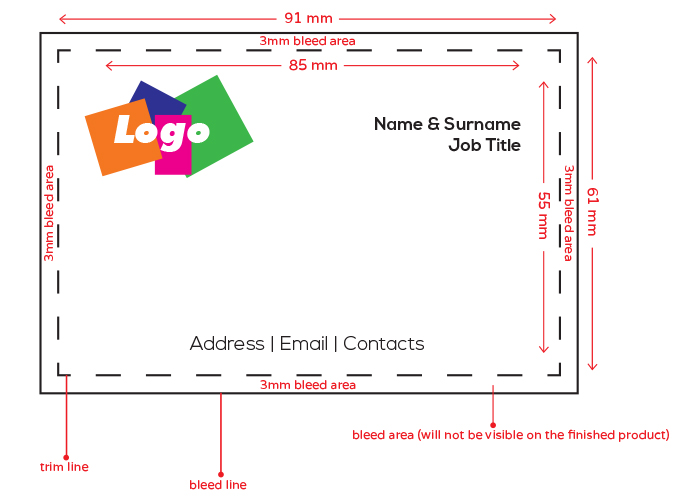
Whether you’re using Microsoft Word or LaTeX, your export settings must be precise. If your dissertation includes full-page images or color blocks that reach the edge of the paper, you must include a “bleed” area. This extra 3mm of image beyond the trim line prevents white slivers from appearing after the pages are cut. You can reference our technical guide on bleed for print to visualize how these margins work in practice. Locking these settings early prevents delays during the final submission window.
Final Proofing Checklist
Before you upload your file, perform a final pre-flight check. Look for “orphans” and “widows”, which are single lines of text left alone at the top or bottom of a page. These disrupt the professional flow of your document. Verify that every page number in your Table of Contents matches the final PDF exactly; a single added image can shift the entire layout. While digital proofing is helpful, we recommend a physical proof for high-stakes doctoral work to catch subtle errors. If you’re ready to proceed, you can submit your print-ready file for expert review by our Central London team.
Same-Day Dissertation Binding Services in Central London
The final hours before a submission deadline are often the most volatile. Reliable student dissertation printing and binding London acts as the final safeguard against unforeseen technical delays or courier complications. We position ourselves as your indispensable professional partner, providing the logistical support necessary to transition from a digital draft to a physical submission with absolute certainty. Our Central London facility is designed for rapid response, ensuring that students facing high-stakes deadlines have access to the same level of technical mastery we provide for corporate and legal clients.
We apply the rigorous standards of court bundle printing London to every academic document we handle. Legal bundles require perfect pagination, durable finishing, and immediate turnaround; your dissertation deserves nothing less. By treating your thesis with this level of commercial precision, we eliminate the risks associated with generic high-street print shops. Our location in the heart of the city allows for stress-free, rapid collection, meaning you can move from the library to our shop and then to your department within a single afternoon.
Meeting Tight Deadlines with Calm Assurance
Our team maintains a “can-do” attitude during the most intense submission windows of 2026, specifically the peak periods in May, August, and September. We understand the high-stakes nature of academic life and the urgency of early-morning emergencies. While other services might struggle with high volumes, we operate as a silent engine of productivity, managing complex binding requirements with methodical thoroughness. We are the preferred choice for students who require their work to be done right the first time. This commitment to professional reliability ensures that even the most last-minute requirements are met with calm, authoritative service rather than chaotic haste.
The Ordering Process: From Upload to Collection
Efficiency is built into every step of our workflow to minimize friction for busy professionals and students alike. You can choose between a simple online upload for maximum speed or an in-person consultation if your document requires specific technical oversight. To ensure your file is production-ready, we recommend leveraging our checklist for professional report binding before you finalize your order. This resource helps you verify margins, page counts, and image resolutions to ensure zero errors during the printing phase. Throughout the process, you have direct access to our technical team, providing the peace of mind that your years of research are in the hands of experts who understand the weight of your success.
Finalizing Your Academic Legacy with Precision
The transition from a final draft to a bound volume is the most critical technical step in your academic journey. By adhering to institutional margin requirements and mastering PDF/X export settings, you eliminate the risk of late-stage rejection. Whether you require the lay-flat functionality of wire binding or the permanence of a hardback finish, your choice should reflect the years of rigor you’ve invested in your research. Each detail, from paper weight to spine foiling, contributes to the authoritative presence of your work.
Finding reliable student dissertation printing and binding London shouldn’t be a source of anxiety in the final hours of your degree. We act as your silent engine of success, providing a Central London location for instant collection and same-day turnaround as standard. Our service includes expert technical file checking to catch potential errors before production begins, ensuring your thesis meets the highest commercial standards. We maintain a calm, professional environment to support you through the highest-stakes moment of your studies.
Secure your submission: Book your dissertation printing and binding at London City Print today.
Your hard work deserves a professional presentation that commands respect from every examiner. We look forward to helping you cross the finish line with absolute confidence.
Frequently Asked Questions
How long does student dissertation binding take in London?
Standard student dissertation printing and binding London typically takes just a few hours for wire or comb finishes. Most Central London providers offer express windows to accommodate tight academic deadlines. For specialized hardback binding where glue must set or foiling is required, the process may extend to 24 or 48 hours. We recommend checking specific turnaround times during peak submission months like May and August to ensure your work is completed without technical delays.
What is the best binding for a university dissertation?
The best binding depends entirely on your university’s specific submission regulations. Wire binding is often the professional standard for viva copies and undergraduate work because it allows the document to lay flat for easy reading. Doctoral candidates typically require hardback binding for their final library submission. This style provides maximum durability and a prestigious book-like feel. Always consult your departmental handbook before selecting a finish to ensure your work meets all archiving standards.
Can I get my dissertation printed and bound on the same day?
Yes, same-day service is a standard offering for student dissertation printing and binding London at our Central London facility. We prioritize urgent academic submissions to ensure you meet your deadline with calm assurance. To guarantee same-day collection, we suggest uploading your production-ready PDF/X file before our morning cutoff time. This allows our technical team to perform a thorough file check and complete the finishing process before the close of business, providing a stress-free experience.
Do you offer university-specific templates for UCL or LSE?
While we don’t provide templates, we possess extensive technical knowledge of the margin and formatting requirements for institutions like UCL, LSE, and King’s College London. Our team acts as a final quality gate, checking your file against known institutional standards before production. This expert oversight helps prevent common errors, such as text being lost in the gutter or incorrect spine foiling orientation, which are frequent causes of submission rejection during the final degree stage.
What file format should I use for dissertation printing?
You should always use the PDF/X format to ensure your document remains locked and professional. This format flattens layers and embeds all fonts, which prevents character drops or formatting shifts when the file moves from your screen to our production presses. Standard Word documents often change layout between different versions of software, but a high-resolution PDF/X at 300dpi guarantees that your charts, maps, and technical diagrams print exactly as you intended for your final submission.
Is wire binding acceptable for final thesis submission?
Wire binding is generally acceptable for undergraduate and Master’s dissertations, but you must verify this with your specific department. Many universities prefer wire-o binding for its functional lay-flat capabilities, which makes it easier for examiners to read and annotate. However, final PhD theses often mandate a permanent hardback finish for archival purposes. If your department allows temporary binding for the viva stage, wire binding is an excellent, professional choice that handles frequent page-turning without degrading.
How much margin should I leave for dissertation binding?
Most London universities require specific margins, such as UCL’s mandate for 40mm on the binding edge and 20mm on other edges. This gutter margin is essential to ensure that your text doesn’t become trapped in the spine during the binding process. Leaving insufficient space makes the document difficult to read and may lead to technical failure. We recommend performing a final pre-flight check of your PDF to verify these measurements before submitting your file for printing.
Can you print my dissertation from a USB stick in-store?
Yes, we can print your dissertation from a USB stick at our Central London location. However, for the most efficient service and to avoid queues during peak periods, we strongly recommend using our online upload system. This allows our technical team to review your file for margin errors or resolution issues before you arrive. If you choose to visit in-person, please ensure your file is saved as a PDF/X to prevent formatting errors on our production equipment.